


International Legislation
FATF Recommendations
Financial Action Task Force (FATF) is the independent intergovernmental body responsible for setting global standards and promoting policies to protect the financial system against money laundering, terrorist financing and the proliferation of weapons of mass destruction. The FATF's 40 Recommendations represent the international standard that countries must transpose into national legislation to ensure transaction transparency and prevent the misuse of new technologies, including crypto assets.
The FATF Recommendations, which establish a comprehensive and consistent framework of measures that countries should adopt, are the internationally approved global standards against money laundering and terrorist financing.

EU Directives
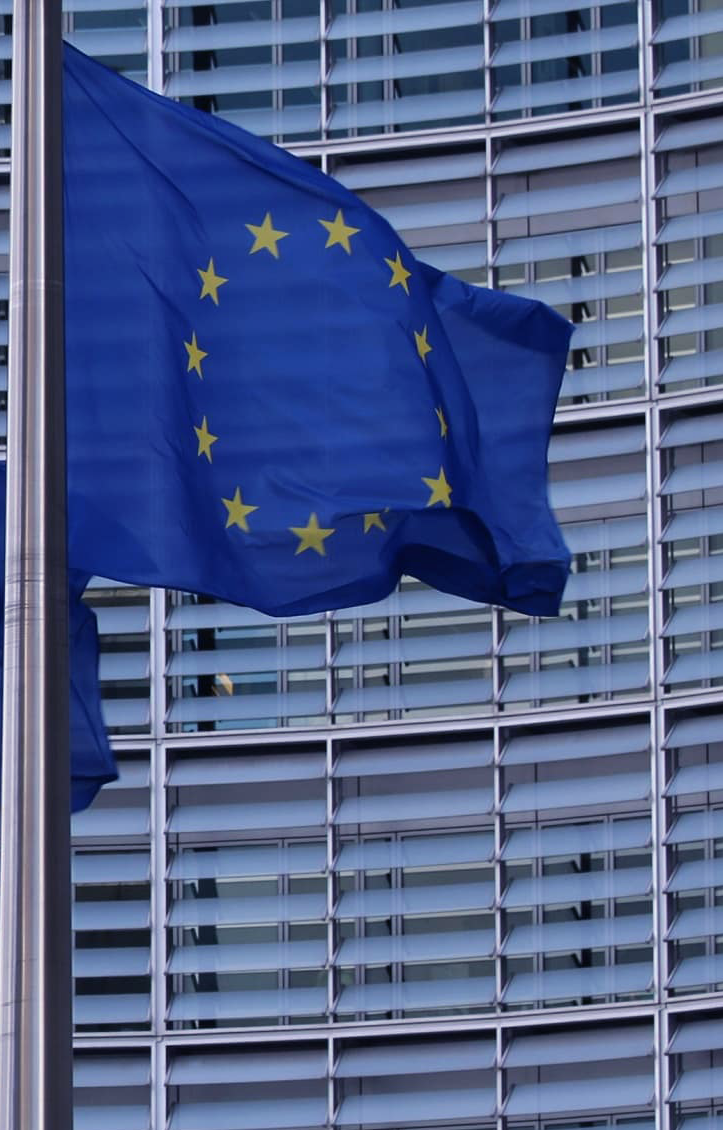
The European Union directives establish the common framework for preventing and combating money laundering and terrorist financing, imposing mandatory minimum standards for Member States. These are transposed into national legislation and regularly updated to respond to emerging risks and financial market developments.
The following directives have already been transposed, partially or fully, into national legislation, or are to be implemented in the near future:
EU regulations
European Union regulations establish rules directly applicable in all Member States in the field of preventing and combating money laundering and terrorist financing. The most important of these are:
Regulation on the prevention of the use of the financial system for the purposes of ML/TF(AMLR) - harmonises AML/CFT rules across the EU for subject persons, aiming to close loopholes exploited by criminals for ML/FT purposes. It will become applicable from 10 July 2027, save for certain provisions which become applicable at a later stage.
Anti-Money Laundering Authority Regulations (AMLA) – creates the first central AML/CFT Authority (AMLA) in the EU. The regulation will apply from 1 July 2025. However, certain articles of the AMLA already became applicable on 26 June 2024.
Markets in Cryptoassets Regulation (MiCA) – establishes a unified legislative framework in the European Union for the digital asset market, providing legal clarity and increased protection for investors. It imposes strict licensing rules for service providers and regulates the issuance of stablecoins to ensure European financial stability.
The Transfer of Funds Regulation (Travel rule) – improves the traceability and transparency of transfers of funds and crypto-assets across the EU. This regulation entered into force on 30 December 2024.